
Are you navigating the world of SEO and wondering whether to choose White Hat SEO or Black Hat SEO? Your decision could be the turning point for your website’s visibility and reputation.
SEO is the backbone of online success, but not all approaches are created equal. White Hat SEO focuses on sustainable, ethical practices that build long-term value, while Black Hat SEO uses manipulative tactics to chase short-lived gains.
In this guide, we’ll unravel the complexities of these opposing strategies, showing you how your choices impact your rankings, reputation, and future growth. Whether you’re striving to climb the SERPs ethically or tempted by risky shortcuts, understanding the fine line between legitimate tactics and algorithm manipulation is crucial.
Let’s dive in to equip you with the knowledge you need to craft a winning SEO strategy tailored to your unique goals.
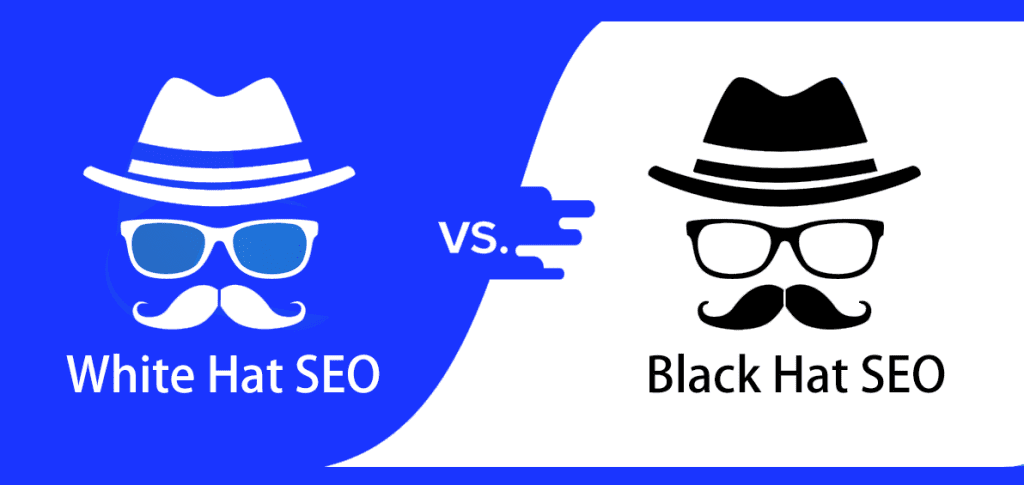
What Is White Hat SEO?
White Hat SEO embodies the ethical and sustainable approach to optimizing your website for search engines. It involves adhering strictly to search engine guidelines, such as Google’s Webmaster Guidelines, and prioritizing strategies that benefit your users.
Unlike black hat techniques that rely on manipulative practices for quick gains, white hat SEO focuses on long-term success by creating value-driven content, improving user experience, and ensuring transparency in every tactic.
At its core, White Hat SEO is built on three principles: a user-centric approach, transparency, and sustainability. This means delivering high-quality, original content that addresses user needs, avoiding deceptive techniques, and aiming for consistent rankings over time.
Key methods include creating engaging blog posts, using keywords strategically and naturally, earning backlinks through reputable sources, and optimizing your website’s technical aspects like speed and mobile responsiveness.
For example, a website that thrives on insightful articles and earns organic backlinks from authoritative blogs exemplifies White Hat SEO. This ethical approach not only builds trust with search engines but also with your audience, setting the foundation for long-term success in your digital presence.
What Is Black Hat SEO?
Black Hat SEO refers to the use of manipulative techniques aimed at exploiting search engine algorithms to gain higher rankings, often at the expense of the user experience.
Unlike White Hat SEO, which focuses on ethical practices aligned with search engine guidelines, Black Hat SEO prioritizes immediate results, typically through deceptive and unethical tactics. These tactics include keyword stuffing, cloaking, using spammy backlinks, and placing hidden text to manipulate rankings.
The key principle behind Black Hat SEO is algorithm-centric thinking, where the goal is to trick the search engine rather than provide value to users.
While Black Hat SEO may offer short-term gains, it comes with significant risks. Websites employing these tactics can quickly rise in rankings, but they are also more likely to be penalized or even banned by search engines once detected.
The techniques often violate search engine guidelines, leading to penalties that can severely damage a website’s visibility. The difference between Black Hat and White Hat SEO is stark: the former is focused on exploiting loopholes for quick wins, while the latter prioritizes long-term growth and enhancing user experience.
Therefore, while Black Hat SEO might provide quick results, it is not a sustainable or reliable strategy for long-term success.
White Hat SEO vs. Black Hat SEO: Key Differences
When choosing an SEO strategy, it’s crucial to understand how these approaches differ.
| Aspect | White Hat SEO | Black Hat SEO |
|---|---|---|
| Ethics | Complies with guidelines | Violates guidelines |
| User Focus | Prioritizes user experience | Ignores user needs |
| Results | Sustainable, steady growth | Quick but risky gains |
| Penalties | No risk of penalties | High risk of de-indexing |
| Longevity | Long-term success | Short-term boosts |
Why Search Engines Penalize Black Hat SEO
Search engines are designed to provide users with the most relevant, high-quality content that meets their search intent. This mission is disrupted when websites engage in Black Hat SEO practices, which prioritize manipulating algorithms over delivering value to users.
These tactics not only degrade the user experience but also undermine the credibility and reliability of search engines themselves. As a result, search engines like Google impose penalties to maintain the integrity of their results and discourage unethical practices.
How Search Engine Penalties Work
Search engine penalties occur through two primary mechanisms:
- Manual Actions:
These are penalties imposed directly by human reviewers at search engines like Google. When a website is flagged for engaging in practices such as link schemes, cloaking, or other clear guideline violations, reviewers take action to demote or remove the site from rankings. - Algorithmic Updates:
Search engines frequently update their algorithms to automatically detect and penalize websites using Black Hat techniques. For instance:- The Panda Update targets low-quality content, rewarding sites with useful, original information while penalizing thin or duplicate content.
- The Penguin Update focuses on backlink quality, penalizing sites that use spammy or manipulative link-building tactics.
The Impact of Penalties
Penalties can have a devastating impact on a website’s visibility and performance, including:
- Significant Ranking Drops: A once top-ranking website can plummet in search results, making it difficult for users to find.
- Loss of Organic Traffic: A sudden decline in rankings leads to a severe drop in website traffic, affecting lead generation, conversions, and revenue.
- De-Indexing: In extreme cases, search engines may remove a website entirely from their index, rendering it invisible to users and effectively erasing its online presence.
By penalizing Black Hat SEO, search engines reinforce ethical practices, ensuring a fair digital landscape where quality content is rewarded, and users receive accurate, valuable results.
The Gray Hat SEO Dilemma
Gray Hat SEO occupies a controversial middle ground between the ethical practices of White Hat SEO and the manipulative strategies of Black Hat SEO. It refers to tactics that don’t outright violate search engine guidelines but teeter dangerously close to crossing the line.
These strategies are neither fully sanctioned nor entirely prohibited, making them a risky choice for website owners and marketers aiming to improve their search rankings.
What Defines Gray Hat SEO?
The hallmark of Gray Hat SEO is ambiguity. The techniques involved are not explicitly listed as violations in search engine policies, but their intent often leans toward manipulation rather than adding genuine value.
For instance, slightly over-optimizing content by incorporating keywords just above the acceptable density can improve rankings, but it risks penalties if flagged as spam.
Similarly, link exchanges or reciprocal linking arrangements — where two websites agree to link to each other to boost domain authority — walk a fine line between networking and manipulation.
Why Gray Hat SEO Is Tempting
Gray Hat SEO appeals to those seeking faster results without resorting to blatantly unethical practices. It offers a way to gain a competitive edge without fully breaking the rules. For example, minor keyword over-optimization might yield a noticeable improvement in rankings, and participating in link exchanges can help build a backlink profile more rapidly than organic methods.
However, the benefits are often short-lived, as search engines continually refine their algorithms to detect and penalize practices that stray too far from their guidelines.
The Risks of Gray Hat SEO
The primary dilemma with Gray Hat SEO lies in its unpredictability. Techniques considered acceptable today may be flagged as violations tomorrow. Search engines like Google constantly update their algorithms to close loopholes, meaning that what starts as a harmless tactic could eventually lead to penalties.
For instance, excessive reciprocal linking can be interpreted as unnatural link building, resulting in a drop in rankings or even a manual action from Google.
The Recommendation: Play It Safe
While Gray Hat SEO may offer short-term advantages, it’s not a sustainable strategy for long-term growth. Building your website’s authority and rankings through ethical, user-focused White Hat SEO practices ensures stability and credibility.
Methods like creating high-quality content, earning backlinks organically, and enhancing user experience not only align with search engine guidelines but also foster trust among your audience.
In conclusion, the Gray Hat SEO dilemma is about weighing the potential rewards against the inherent risks. While these techniques might seem like a clever shortcut, the long-term consequences often outweigh the short-term gains.
For sustainable success, it’s always better to invest in strategies that prioritize value, transparency, and compliance with search engine standards
Best Practices for White Hat SEO Success
To achieve and maintain strong search engine rankings, you need to focus on ethical, user-centric strategies. White Hat SEO revolves around creating value for users while adhering to search engine guidelines. Here are some best practices to guide your efforts toward sustainable success:
1. Content is King
Creating high-quality content remains the cornerstone of White Hat SEO. Prioritize original, engaging, and informative content that addresses user needs and solves their problems. Research trending topics and user queries to ensure relevance.
Regularly update old posts to maintain their freshness and optimize them for current search trends. Well-crafted content not only boosts rankings but also builds credibility and fosters trust with your audience.
2. Optimize for Keywords
3. Build Strong Backlinks
Building strong backlinks is a cornerstone of successful SEO, as they signal credibility and trustworthiness to search engines. These are links from authoritative websites that point back to your own, essentially vouching for your content’s quality and relevance.
To build strong backlinks, focus on earning them organically through proven strategies. Guest blogging on reputable websites within your niche can showcase your expertise while securing valuable backlinks.
Creating high-quality, shareable content, such as infographics, guides, or insightful articles, encourages others to link back to your work. Additionally, fostering genuine relationships with industry influencers and fellow creators can lead to natural linking opportunities.
However, avoid shortcuts like buying backlinks or using link farms. These manipulative practices violate search engine guidelines and risk penalties that could harm your site’s rankings. Instead, prioritize ethical, sustainable methods to develop a strong, lasting backlink profile that boosts your SEO and enhances your website’s authority.
4. Master Technical SEO
Mastering technical SEO is essential for building a strong digital presence and improving your website’s search engine rankings. A technically optimized website enhances user experience and ensures seamless search engine crawling.
Begin by creating a Google Search Console account to monitor your site’s health. Develop both XML and HTML sitemaps for better indexing and use HTTPS to secure your site, fostering user trust. An SEO-friendly navigation and URL structure further improve accessibility and rankings.
Optimize your site’s mobile-friendliness and page speed to deliver a smooth user experience. Implement schema markup to showcase key content, like products or reviews, effectively. Core aspects of technical SEO include crawling, indexing, rendering, and maintaining an efficient website architecture.
To deepen your knowledge, utilize tools and resources like TechnicalSEO.io, Screaming Frog, and Schema.org, or enroll in courses like the Udemy Technical SEO Audit Masterclass. Master these strategies to transform your website into a technically sound powerhouse.
5. Enhance User Experience (UX)
Enhancing user experience (UX) is crucial for improving both your website’s performance and search rankings. A seamless, intuitive navigation system helps users easily find information, keeping them engaged and reducing bounce rates.
A responsive design ensures that your site is accessible and functional on any device, from desktops to smartphones. Simple, consistent design across your pages builds trust and enhances usability, while a focus on speed ensures that visitors don’t abandon your site due to slow load times.
By prioritizing UX, you foster a loyal audience and align with White Hat SEO practices, ensuring long-term success. Additionally, key UX rules like keeping things simple, focusing on functionality, using appropriate white space, and designing for clarity all contribute to a positive user experience.
Ethical optimization practices like these not only help users but also improve your site’s SEO, creating a win-win for both users and search engines.

Conclusion: White Hat SEO vs. Black Hat SEO
The choice between White Hat SEO and Black Hat SEO isn’t just about strategy—it’s about ethics, sustainability, and long-term success.
White Hat SEO might take time, but its results are lasting and rewarding. On the other hand, Black Hat SEO promises quick wins but comes with significant risks, including penalties and reputational damage.
Commit to ethical SEO practices to ensure steady growth, protect your brand, and stay compliant with search engine guidelines.
Start optimizing your website the right way. Choose White Hat SEO for a brighter, penalty-free future in the digital space!

