Creating a logo for your online business is more than choosing shapes and colors—it’s about building a brand identity that instantly connects with your audience.
A strong logo builds trust, sets you apart from competitors, and makes your business memorable. But designing a logo that actually sells online requires more than just creativity.
You need strategy, clarity, and a design that reflects your business values. In this guide, you’ll learn why logos matter, what elements make them effective, and how to create one that resonates with your customers and drives conversions.
What Is a Logo?
A logo is a visual mark or symbol that uniquely represents your business and sets it apart from competitors. It combines elements like distinct colors, shapes, and typography to convey a brand’s identity and values at a glance.

Logos can be abstract, symbolic, or simply typographic, depending on the message you want to send. Beyond identification, a logo helps build recognition among customers and supports consistent branding across digital storefronts, social media, packaging, and more.
In essence, it’s a condensed visual story—crafted to connect, communicate, and leave a lasting impression.
Why a Logo Matters for Online Businesses
A logo acts as the face of your brand. For online businesses, where physical interaction is limited, this role becomes even more important. Customers judge your professionalism and reliability within seconds of seeing your logo.
A strong logo can:
-
Create instant brand recognition
-
Convey trust and credibility
-
Differentiate you from competitors
-
Influence purchase decisions
Think of Amazon’s arrow or Nike’s swoosh—both are simple yet powerful symbols of trust and quality. Your logo is essentially your digital handshake. Without a compelling logo design, your online store risks blending into the crowd. An effective logo gives your brand a personality and encourages customers to choose you over others.
Key Elements of an Effective Logo
A successful logo is never accidental—it’s carefully built with qualities that allow it to stand out and perform well across platforms. The strongest logos usually share a few key traits:
-
Simplicity: A cluttered or overly detailed design can confuse your audience. Simple and clean logos are easier to recognize and remember.
-
Relevance: Your logo should connect directly to your industry, values, and audience, creating instant association with your brand.
-
Memorability: A distinctive design ensures people quickly recall your business when they need your services or products.
-
Versatility: From websites and mobile apps to packaging and digital ads, your logo must look good everywhere.
-
Timelessness: While trends come and go, a timeless logo maintains its appeal for years without appearing outdated.
Keeping these principles in mind ensures your logo is not just visually attractive but also functional and impactful for long-term online growth.
Steps to Design a Logo That Sells
Designing a professional logo involves structured steps rather than guesswork. Follow these guidelines to create one that resonates with your audience:
1. Research Your Audience and Competitors
Before you start sketching ideas, dive deep into your audience and competitors. Ask yourself: Who am I selling to? Understanding customer preferences helps you design something that feels familiar yet fresh.
At the same time, competitor research shows you what works and where you can stand out. Take note of colors, symbols, or styles commonly used in your niche and identify gaps. A logo that balances market trends with uniqueness not only grabs attention but also positions your business as a credible choice in your industry.
2. Define Your Brand Identity
Your logo is your brand’s visual voice, so clarity in brand identity is non-negotiable. Think about your company’s personality: Is it modern, traditional, playful, or serious?
Define core values and brand messages before choosing any design elements. For example, a business built on trust may lean toward calm colors and classic fonts, while a youthful brand could explore vibrant palettes.
This foundation prevents random design choices and ensures every line, color, and symbol reflects who you are. A well-defined identity keeps your logo consistent across marketing platforms.
3. Choose the Right Design Style
A clear design style ensures your logo resonates with your audience. Some common approaches include:
-
Minimalist: Simple, clean, and timeless.
-
Bold/Modern: Strong lines and eye-catching visuals.
-
Playful/Fun: Bright colors and quirky elements.
-
Elegant/Classic: Refined details with traditional fonts.
Select a style that aligns with your brand’s personality. For instance, a luxury brand may thrive on elegant design, while a tech startup might use minimalism for a sleek look. A mismatched style can confuse your audience, so consistency is key.
4. Pick Colors and Fonts Carefully
Colors and fonts play a psychological role in logo design. Colors evoke emotions:
-
Blue = trust and professionalism
-
Red = passion and urgency
-
Green = growth and calm
-
Black = sophistication
Fonts also shape perception. Serif fonts often feel traditional, while sans-serif fonts look modern and clean. Avoid overly decorative fonts that may be hard to read.
Always test color and font combinations to ensure readability across screens, print, and packaging. The right blend creates an instant emotional connection with your audience.
5. Experiment with Symbols and Shapes
Icons, shapes, and symbols add depth to your logo but must be used wisely. A symbol should enhance recognition, not complicate the design.
Circles often represent unity, while triangles imply strength and innovation. Think of Nike’s swoosh—it’s simple yet powerful. Avoid clutter or unnecessary details that may distract from your brand name.
Test different variations, and see if the symbol can stand alone while still being recognizable. The best logos work with or without text, making them versatile across marketing platforms.
6. Get Feedback and Refine
Never finalize your logo without feedback. Share multiple versions with trusted peers, potential customers, or even through small surveys. Look for answers to questions like:
-
Is it memorable?
-
Does it represent the brand accurately?
-
Can it work in black and white as well as color?
Refining based on feedback ensures your design avoids blind spots and resonates with a wider audience. Remember, logos are long-term investments, so making improvements now saves costly rebranding later.
Each step ensures your logo is not just beautiful but strategic, pushing your business toward online success.
Common Mistakes to Avoid
Even small mistakes in logo design can weaken your brand’s image. Avoid these common pitfalls to ensure your logo works effectively:
-
Overcomplicating the Design: Too many details make logos hard to recognize.
-
Ignoring Scalability: A logo must look good on both a mobile screen and a billboard.
-
Poor Color Choices: Bright clashing colors can distract instead of attract.
-
Copying Trends Blindly: Following every design trend makes your logo outdated quickly.
-
Lack of Originality: A generic design won’t set you apart from competitors.
By steering clear of these mistakes, you’ll create a logo that is unique, versatile, and capable of building long-term recognition.
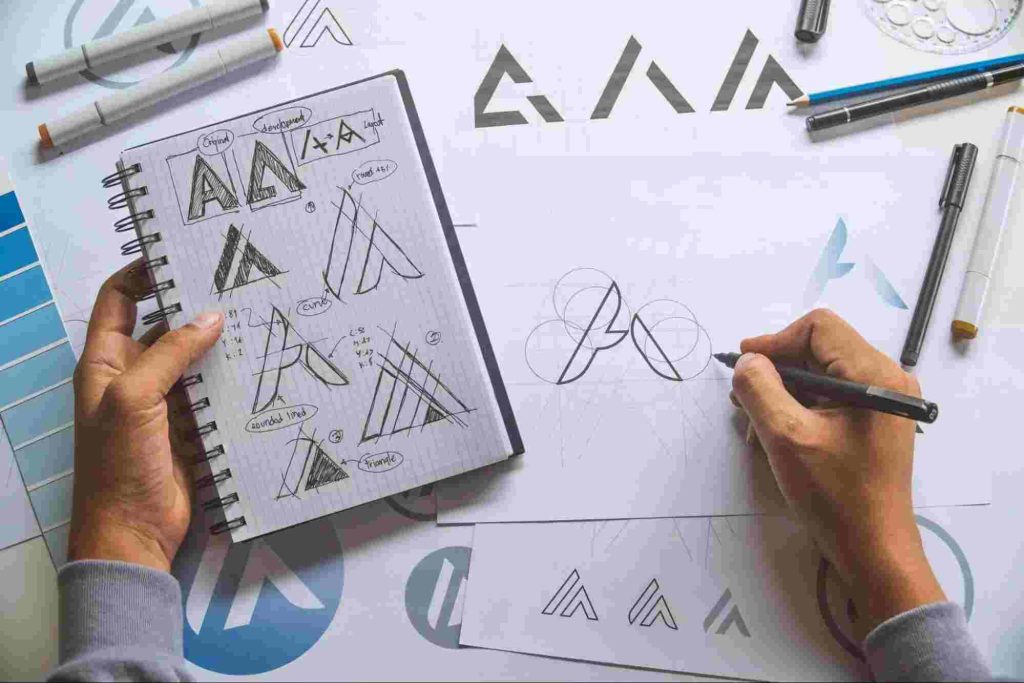
Tools and Resources for Logo Creation
You don’t need to be a professional designer to create a great logo. There are many tools available to help:
-
Free Online Tools: Canva, Looka, and Hatchful are beginner-friendly.
-
AI-Powered Tools: Tailor Brands and LogoMaker use AI to generate custom designs.
-
Professional Software: Adobe Illustrator and CorelDRAW offer advanced design features.
-
Hiring Experts: If budget allows, working with a freelance designer or branding agency ensures a unique, high-quality result.
Start with free tools if you’re testing ideas, but for a business aiming to sell online, investing in professional design software or services often pays off.
Conclusion
A logo is more than decoration—it’s the foundation of your brand identity. By focusing on simplicity, relevance, and consistency, you create a logo design that builds trust and drives sales online.
Avoid common mistakes, use the right tools, and always design with your audience in mind. Remember, your logo is not just an image—it’s your brand’s first impression.
Take the time to make it count, and you’ll have a logo that truly helps your online business grow.